Professional standards, techniques, and best practices for durable, beautiful exterior work
What separates a well-executed exterior project from one that fails within a season often comes down to finishing—the final execution that determines durability and aesthetics
In the world of professional construction and woodworking, finishing is more than a final step. It's where craftsmanship reveals itself. A roofing project installed with precision can fail if the flashing and sealants are compromised. A beautiful skylight installation becomes problematic if weather sealing isn't executed to standard. Finishing is where theory meets reality.
We hold our finishing work to the standards outlined by the Architectural Woodwork Institute, whose Quality Standards Illustrated has guided fine woodwork specification and finishing for decades. Following an established benchmark — rather than an informal "good enough" — is what separates a durable finish from one that fails in a season.
Properly installed flashing redirects water away from vulnerable areas. Poor flashing is the leading cause of leak-related damage in roofing projects. This requires precision and quality materials—no shortcuts.
Before any finish is applied, the substrate must be properly prepared. Dust, debris, and surface irregularities compromise adhesion and longevity. Professional preparation takes time but prevents future failure.
The right sealants, caulks, and protective coatings aren't always the cheapest options. Understanding material properties and environmental conditions ensures finishes withstand weather, UV exposure, and temperature cycling.
Even quality materials fail if applied incorrectly. Sealant application requires attention to temperature, humidity, cure time, and thickness specifications. Rushed work creates weak points.
Professional finishing includes mid-process and final inspection. Catching issues before a project is complete prevents costly rework and ensures standards are met throughout.
The final details matter. Proper cleanup, trim finishing, and edge treatment complete the professional appearance and protect the work from environmental degradation.
Industry standards exist because they represent collective knowledge earned through experience. The Architectural Woodwork Institute's standards exist because countless projects taught builders what works and what doesn't.
A homeowner who invests in a quality exterior upgrade—whether roofing, skylights, or siding—is trusting that the work will perform as intended. That trust is only warranted when contractors hold themselves to recognized standards, not just to personal preference or cost-cutting measures.
When we evaluate contractors, finishing excellence is a key indicator of professionalism. It shows they understand the connection between process and outcome, between short-term expediency and long-term durability.
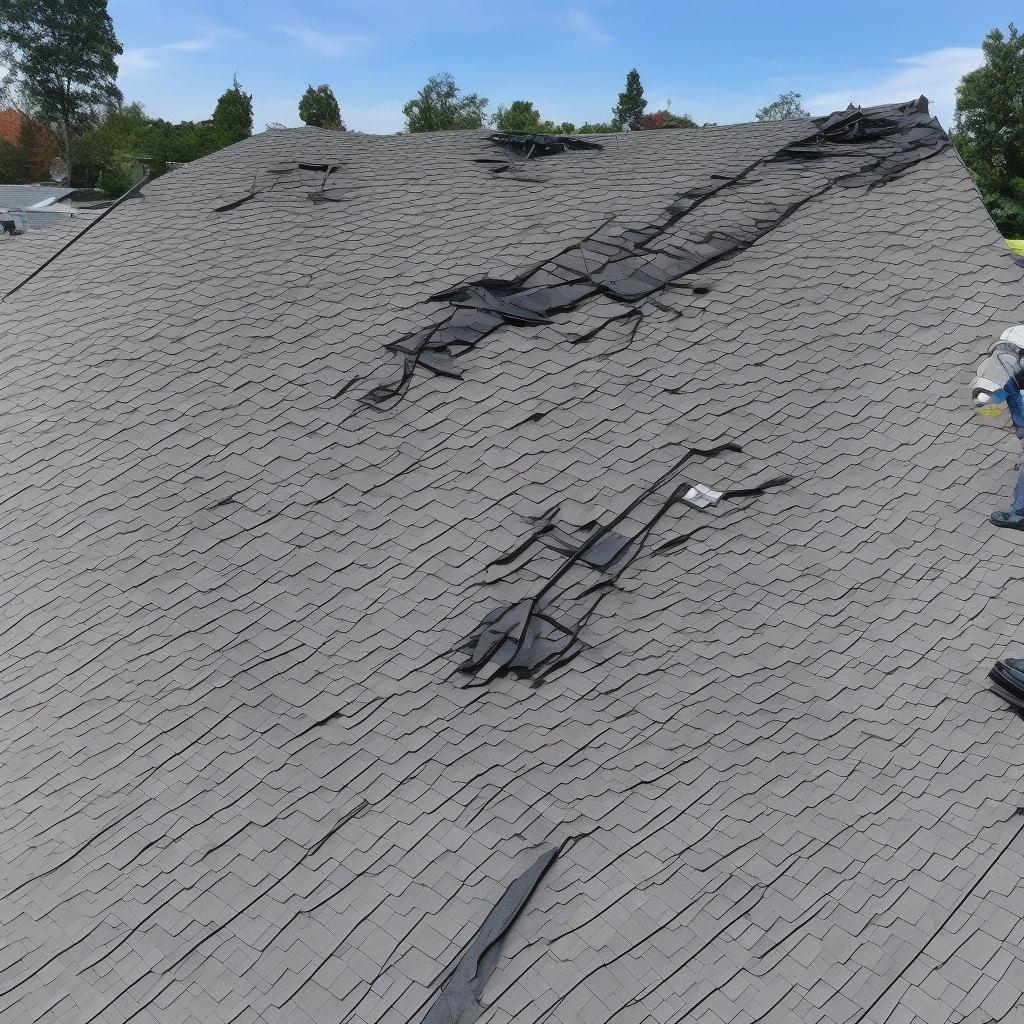
Understanding what goes wrong helps you recognize quality when you see it
Sealants and adhesives need proper cure time. Exposing them to weather or traffic before they've fully set creates failures that appear months later.
Using a sealant rated for interior applications on an exterior exposure, or choosing budget materials for critical areas, guarantees premature failure.
Applying finishes over dirty or wet surfaces, or over incompatible substrates, means the finish won't adhere properly and will peel or fail.
Flashing installed at incorrect angles, with gaps, or with improper overlap channels water into the structure instead of away from it.
When hiring for exterior work, finishing excellence signals overall professionalism
Before work begins, clarify finishing standards:
Excellence in finishing separates quality providers from those cutting corners